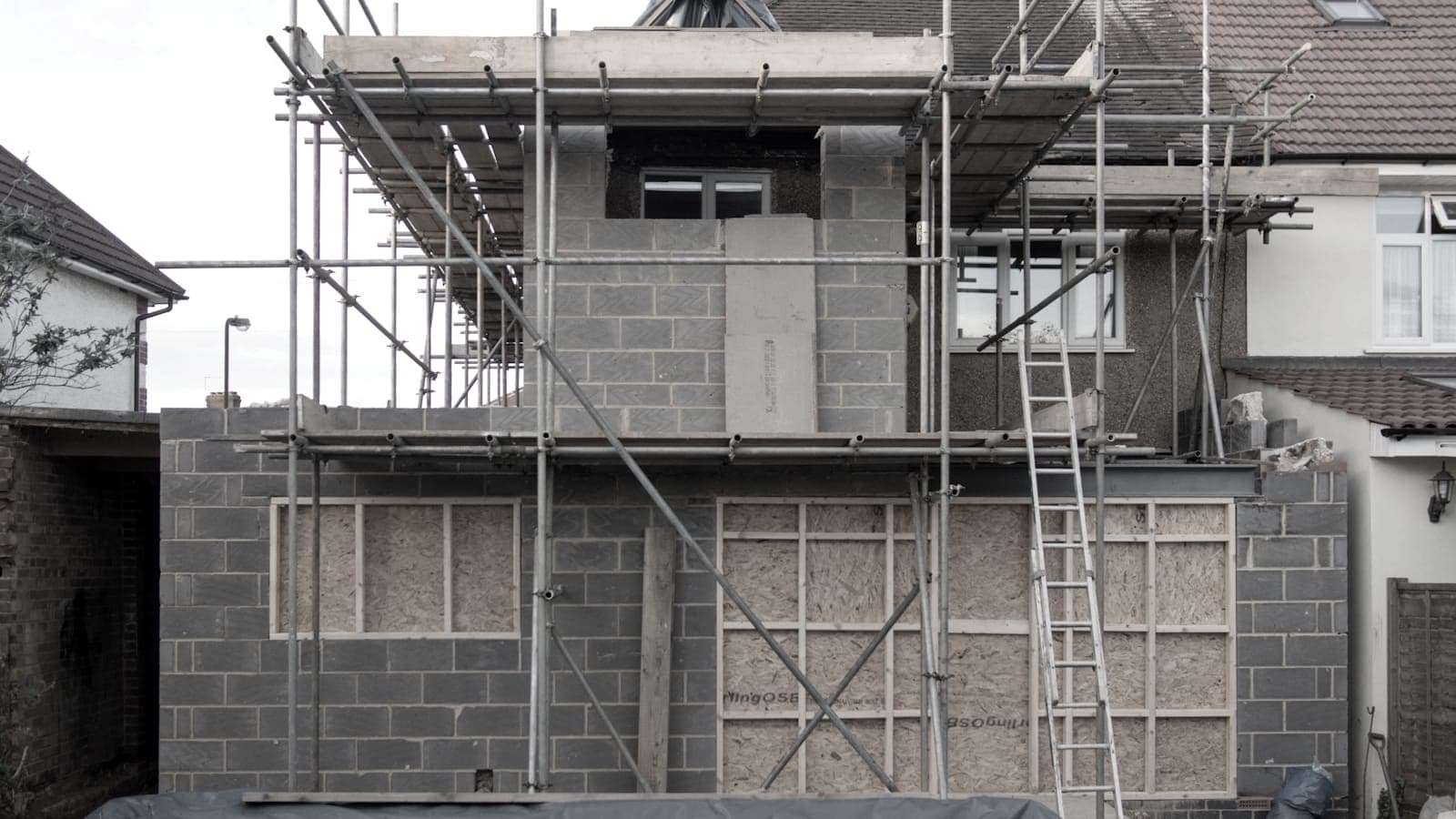
Introduction to Load Takedown
1 October 2025 · 1 min read
A quick primer on what load takedown is, why it matters, and how engineers use it.
Before diving into worked examples or detailed calculations, it helps to step back and ask: what exactly is load takedown, and why do engineers use it?
What is load takedown?
Load takedown is the process of tracing how gravity loads move through a structure — from roof and floors, into beams or walls, and finally into the foundations. This can be done to calculate loads to any level in a structure but is typically done to complete foundation load calculations.
Think of it as following the chain of responsibility:
- Floors → Beams
- Beams → Columns/Walls
- Columns/Walls → Foundations
- Foundations → Soil
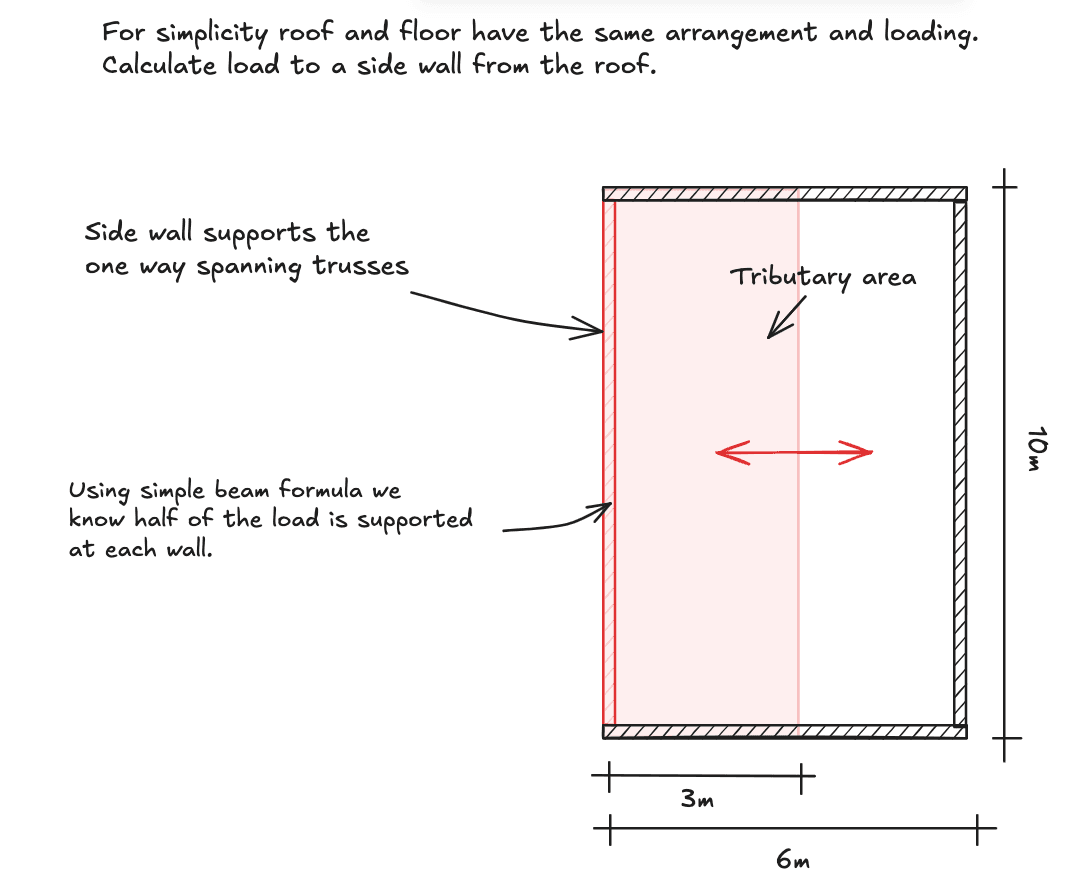
Why does it matter?
- Quick checks → sanity-check your design before building a full analysis model.
- Foundation sizing → estimate whether pad, strip, or piled foundations are likely.
- Communication → simple sketches make it easier to explain design intent.
Even in the age of FEM and powerful software, being able to sketch tributary areas and do a quick takedown by hand is a core skill for every structural engineer.
What’s next?
If you want to see how this works in practice, check out:
- Manual Load Takedown with Pen and Paper →
- Load Takedown Worked Example →
- Free Load Takedown Spreadsheet →
Or, if you’re tired of repeating the same sketches and calculations, try our lightweight web app:
Sketch your structure straight onto a PDF plan and get tributary loads for every wall and level, instantly.
Open LoadTakedownLoad takedown is the starting point of every foundation design. Keep it simple, keep it consistent, and always know where your loads are going.